
Getting it wrong
is expensive
Safe, fully compliant management of hazardous and non-hazardous waste for businesses across the UK — from liquid chemicals in tanks to contaminated sludges, food waste, septic waste and silt. We manage the full process, from site assessment through to final disposal.
Hazardous waste is any waste that could harm people or the environment because it is toxic, corrosive, flammable, infectious or reactive. Getting it wrong means fines and prosecution, accidents on site, pollution of land and water, and damage to your reputation.
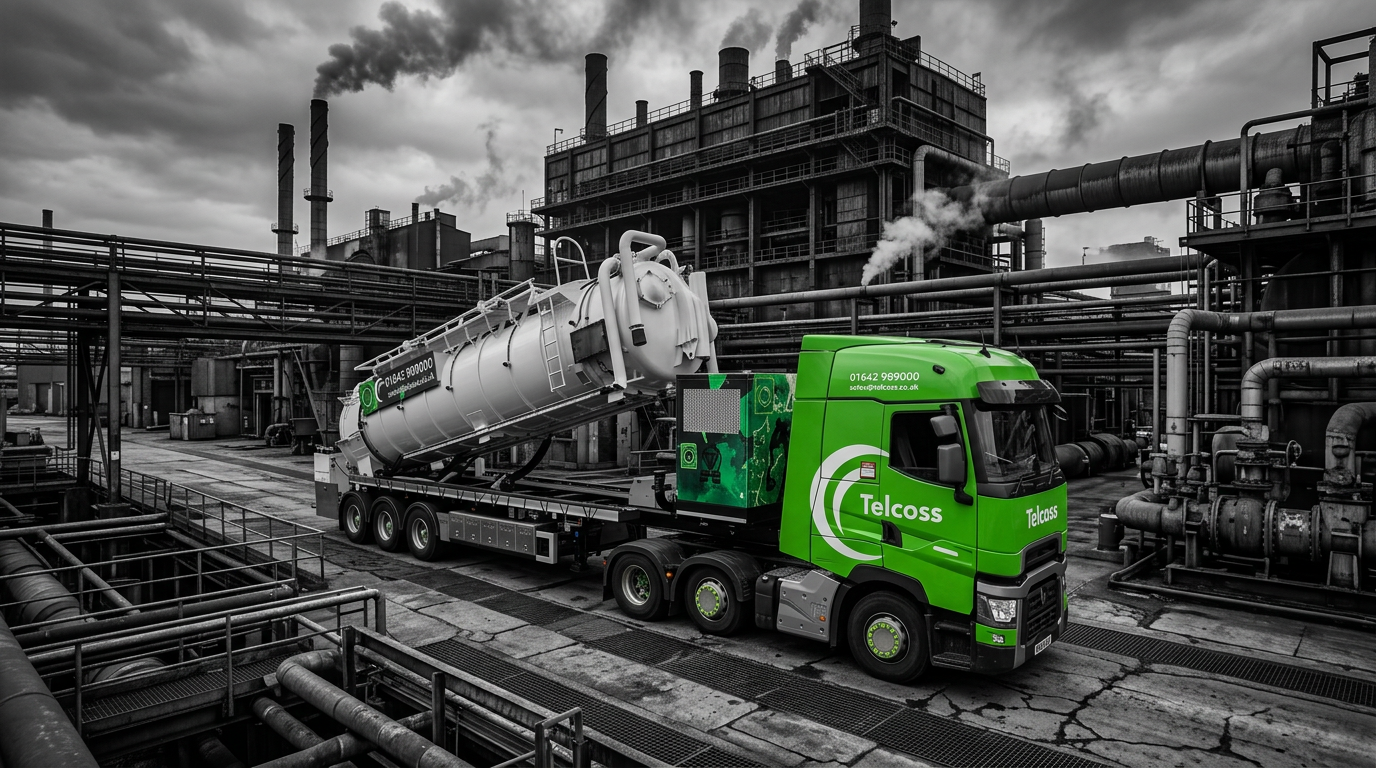
traceable

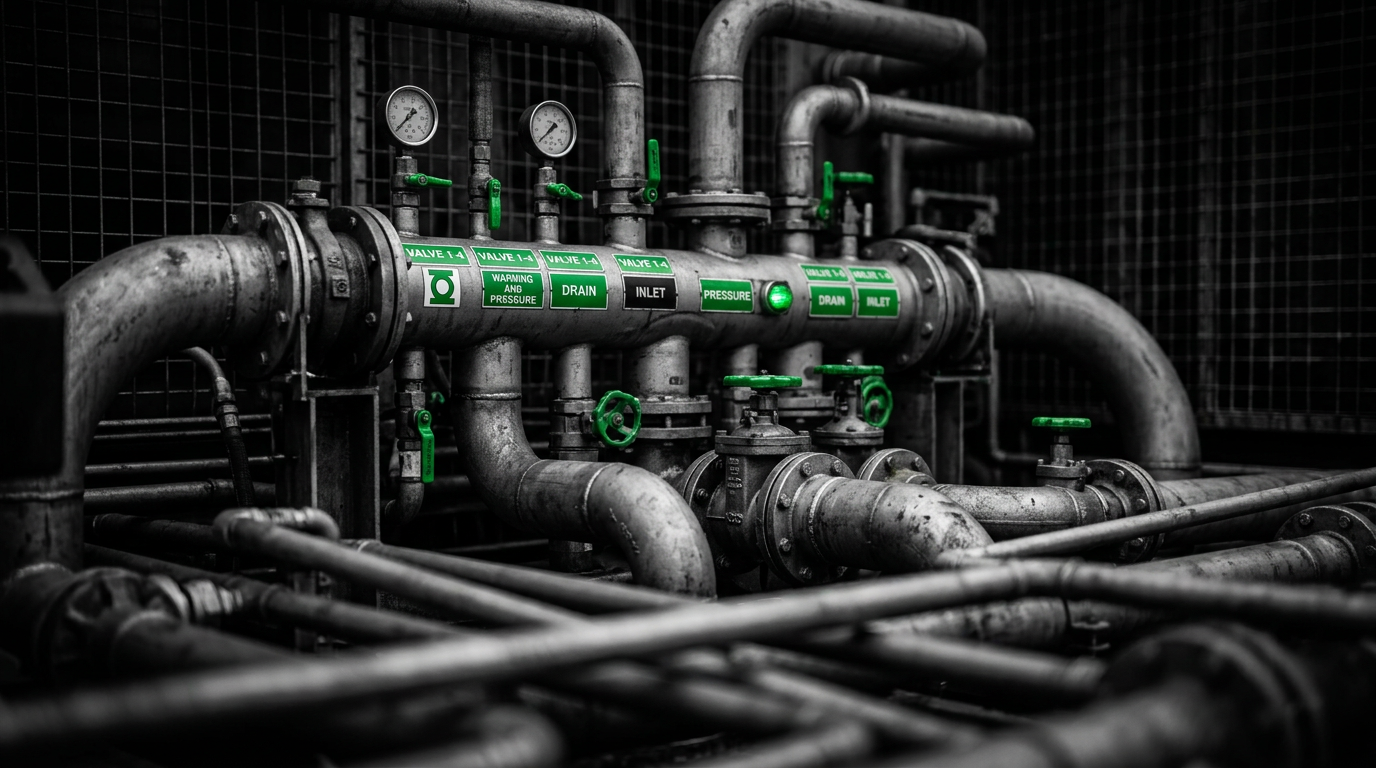
Bulk Waste
- Tank bottoms, sludges and residues
- Filter cakes and contaminated media
- Wet waste from heating and chiller systems
- Contaminated construction waste and soils
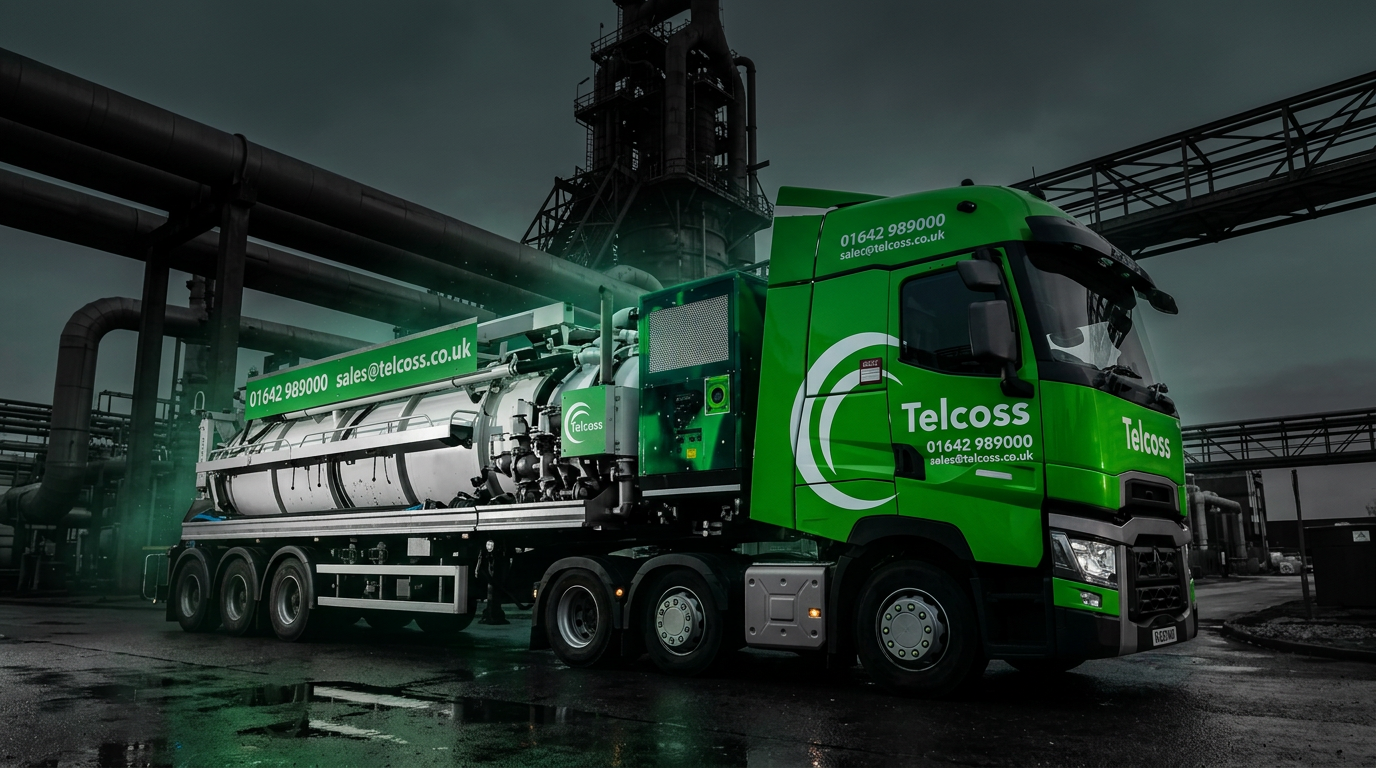
Industrial & chemical waste
- Acids, alkalis and process chemicals
- Solvents, inks, resins and adhesives
- Oily waters, interceptor waste and industrial oils
- Paint and ceramic sludges

Biological, organic & clinical
- Biological sludges from treatment systems
- Clinical and healthcare waste streams
- Contaminated PPE, absorbents and spill clean-up materials

Batteries & aerosols
- Waste batteries — lead-acid, lithium and others
- Used aerosols from maintenance, cleaning and production
- Guidance on storage containers, labelling and segregation

Septic tanks & cesspits
- Empty septic tanks, cesspits and holding tanks
- Remove accumulated sludge and solids
- Jet inlet and outlet pipework if there are blockage issues
- Most tanks need desludging at least once a year

Silt, sludge & liquid waste
- Grit, sand and fine silt deposits
- Dense sludge and settled sediments
- Oily water mixtures and interceptor contents
- Process effluent carrying suspended solids
- Lagoon and settlement waste
- Fats, oils, gravies and sauces
- Beverage waste — spilled, off-spec or expired drinks
- Dairy waste — whey and milk residues
- From balance tanks, pits, sumps, grease traps and interceptors
Not sure how to classify it?
If your waste does not fit a simple label, we can take samples for analysis, advise on correct waste codes and descriptions, propose safe handling and storage until collection, and build a regular management plan for your site.
How the job runs
Site assessment
Set-up and isolation
Vacuum removal
Transport and disposal
Paperwork and reporting
What we’ll
ask you
Telcoss Assist takes about a minute. Having these to hand makes the quote faster and more accurate.
- Bulk, packaged or skips
- Hazardous or non-hazardous
- Liquid, solid/dry or sludge
- Waste description
- EWC code
Why
Telcoss
- End-to-end service
- Modern tanker and equipment fleet
- Experienced, trained operators
- Clear documentation
- Flexible support

Tell us about the job
A few questions and it goes straight to Tom Southall.